 Stephen Weber
I lead engineering teams building AI products where speed, reliability, security, and business outcomes all matter.
Director of Engineering with 18+ years across startups, enterprise platforms, and acquired products. I help companies turn technical execution into revenue, customer trust, and scalable engineering systems.

Engineering Leadership That Connects Product, Platform, and Business Outcomes
Clearer operating systems for teams building production AI and enterprise software.
I've moved from hands-on product builder to engineering leader by building the systems teams need to ship faster without becoming reckless: clear ownership, tighter planning, stronger quality gates, better product partnership, and technical decisions tied to customer and revenue impact.Core stack: TypeScript · React · Python · Langchain / Langflow · TensorFlow
I'm strongest where product urgency, technical ambiguity, and enterprise expectations meet. That means turning vague AI opportunities into usable product systems, while keeping reliability, security, cost, and customer trust in view.
My background includes Director-level engineering leadership, two acquired products, AI product commercialization work, and operating improvements that helped teams increase delivery speed and quality without losing discipline.
Engineering Operating Systems
Built clearer planning, ownership, QA, release, and delivery habits so teams could move faster with fewer avoidable surprises.
Production AI Systems
Led and built AI product capabilities with attention to evaluation, user workflows, security constraints, observability, and customer impact.
Product-Engineering Partnership
Partnered across Product, Design, GTM, QA, Security, and executive stakeholders to connect roadmap choices to business outcomes.
Reliability, Security, and Delivery Discipline
Balanced shipping pressure with quality gates, security remediation, performance work, and customer-facing reliability expectations.
Founder-to-Executive Range
Built and sold BitRook and Voteboards, then applied that product judgment inside larger AI and enterprise platform environments.
How I Lead
Three principles that guide how I build products and teams
Engineering Operating Systems
I make ownership, planning, quality, and delivery visible enough that teams can move quickly without relying on heroics.
Clear operating rhythms, better scoping, automated checks, and accountable handoffs help teams scale output before adding headcount.
Production AI Systems
I treat AI as software that has to be reliable, observable, secure, and economically defensible.
The work is not just model selection. It is evaluation, workflow design, cost control, monitoring, security review, and human-centered product judgment.
Product-Engineering Partnership
I connect technical decisions to customer urgency, revenue, adoption, and trust.
Strong product partnership keeps architecture, roadmap tradeoffs, security constraints, and delivery pressure pointed at the same business outcome.
Reliability, Security, and Delivery
I push for speed with discipline: stronger quality gates, tighter release habits, and pragmatic security judgment.
Teams earn speed by reducing ambiguity, catching defects earlier, and making customer-impacting risk explicit before it reaches production.
Thought Leadership
Essays on AI leadership, engineering strategy, production AI, and systems that have to work beyond the demo.
Design Patterns for AI-Powered Applications
The gap between impressive AI demos and reliable production systems has never been wider. Engineering discipline — not model choice — determines outcomes.
Mastering LLM Accuracy: How to Test, Detect, and Fix Hallucinations
A practical guide to testing, detecting, and reducing hallucinations when AI systems need to be trusted in production.
Choosing the Right Architecture for Scalable Generative AI Apps
A breakdown of the best architecture patterns for building generative AI applications that actually scale beyond the demo stage.
Selected Case Studies
Work across AI products, engineering systems, and startup execution, framed by the business outcome each effort created.


BitRook
Machine LearningAn ML-powered platform that profiles your data, flags issues, and recommends fixes—without writing code.
- Problem
- Data quality issues slowed ML teams and created downstream model failures.
- My role
- Founder and product-engineering lead from concept through acquisition.
- Executive skill
- Founder-to-exit execution, product positioning, enterprise data workflow judgment, and team building.
- Outcome
- Acquired by an enterprise data company after building the product, team, and integration strategy.
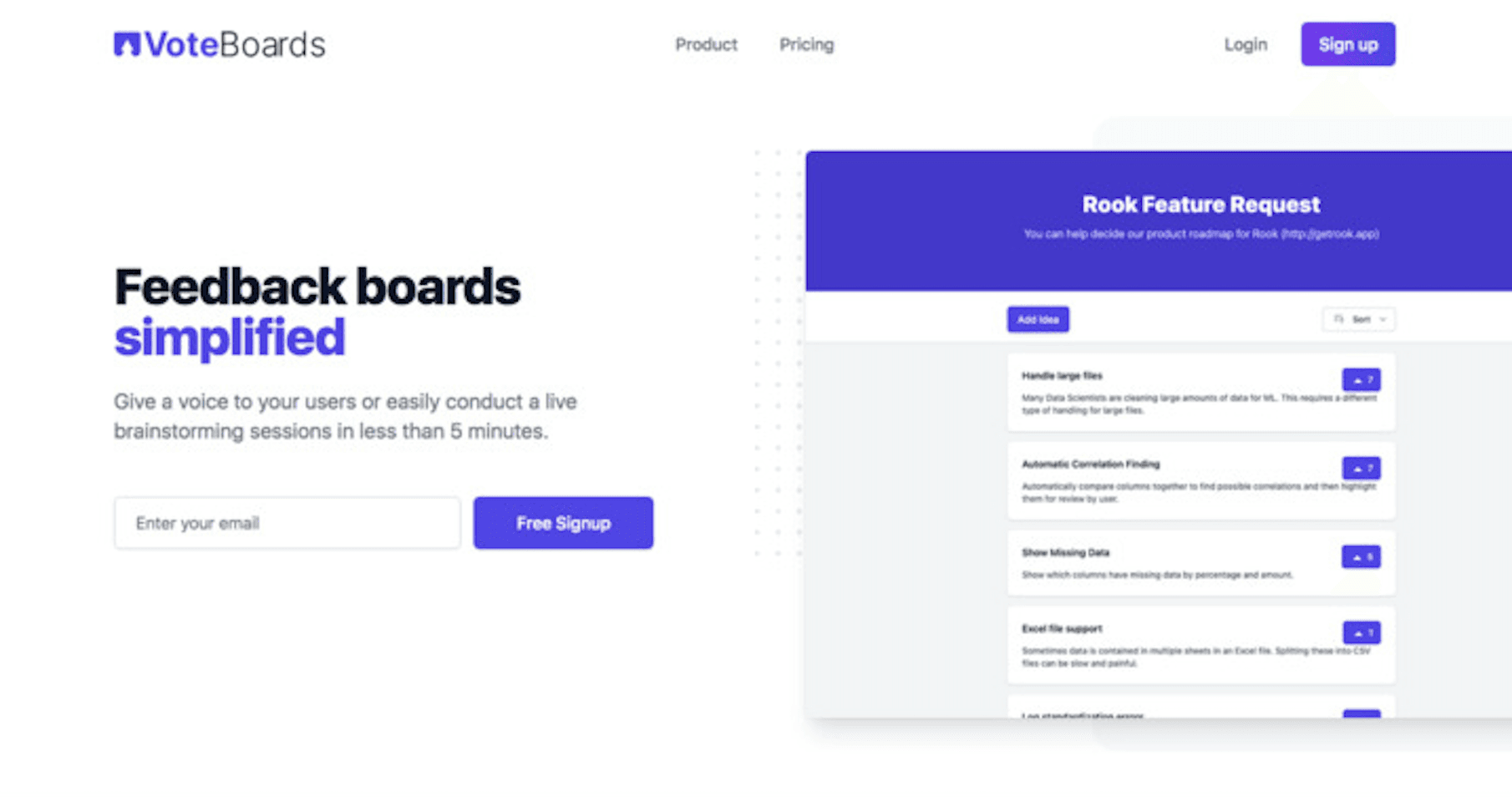
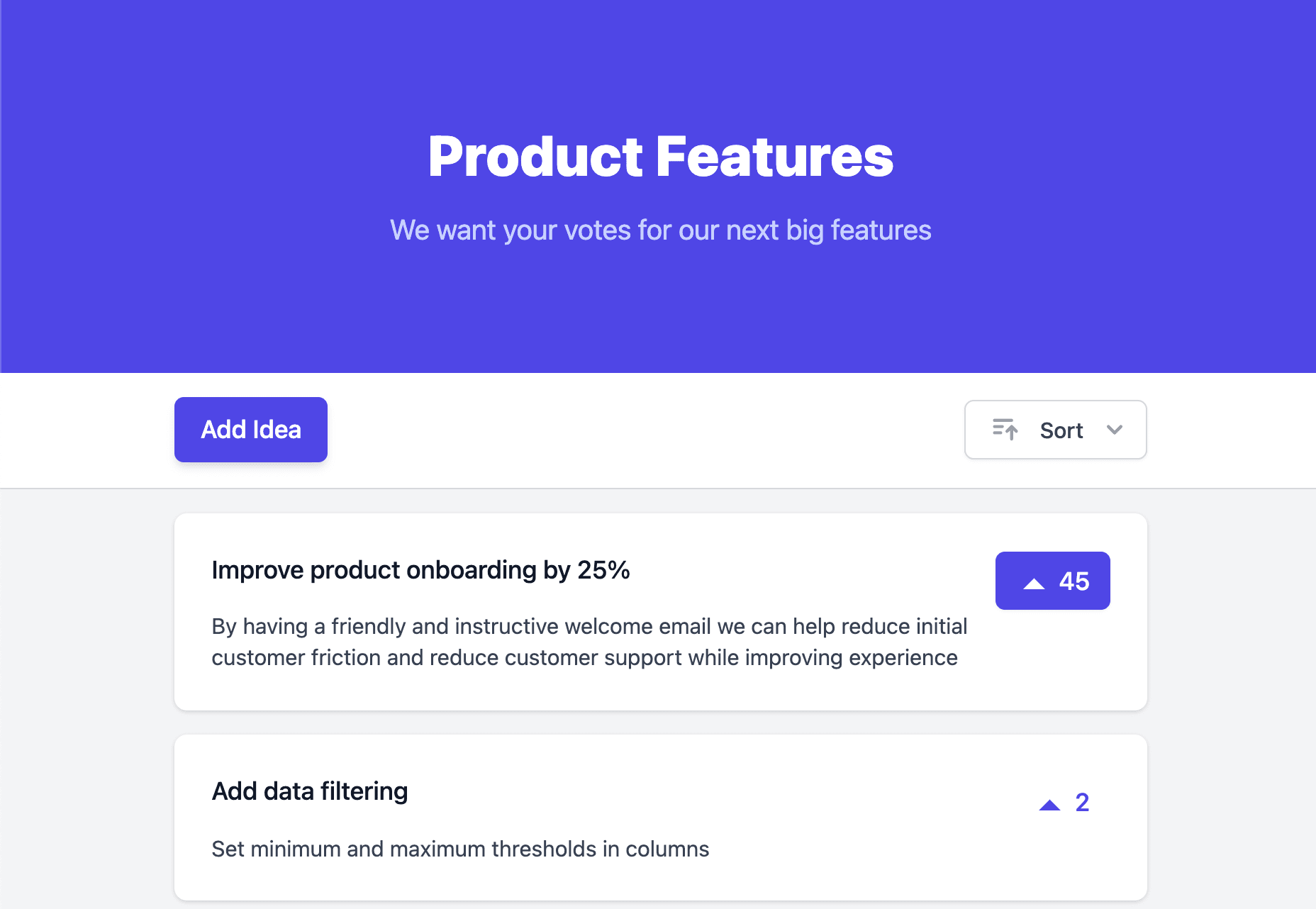
Voteboards
B2B SaaSA simple app that lets users create boards to collect and upvote ideas—perfect for product roadmaps.
- Problem
- Product teams needed a lightweight way to collect, prioritize, and act on customer feedback.
- My role
- Founder and builder responsible for product direction, full-stack delivery, and sale process.
- Executive skill
- Customer discovery, focused SaaS execution, and product-led prioritization.
- Outcome
- Acquired by a productivity software company.
Founder Flow
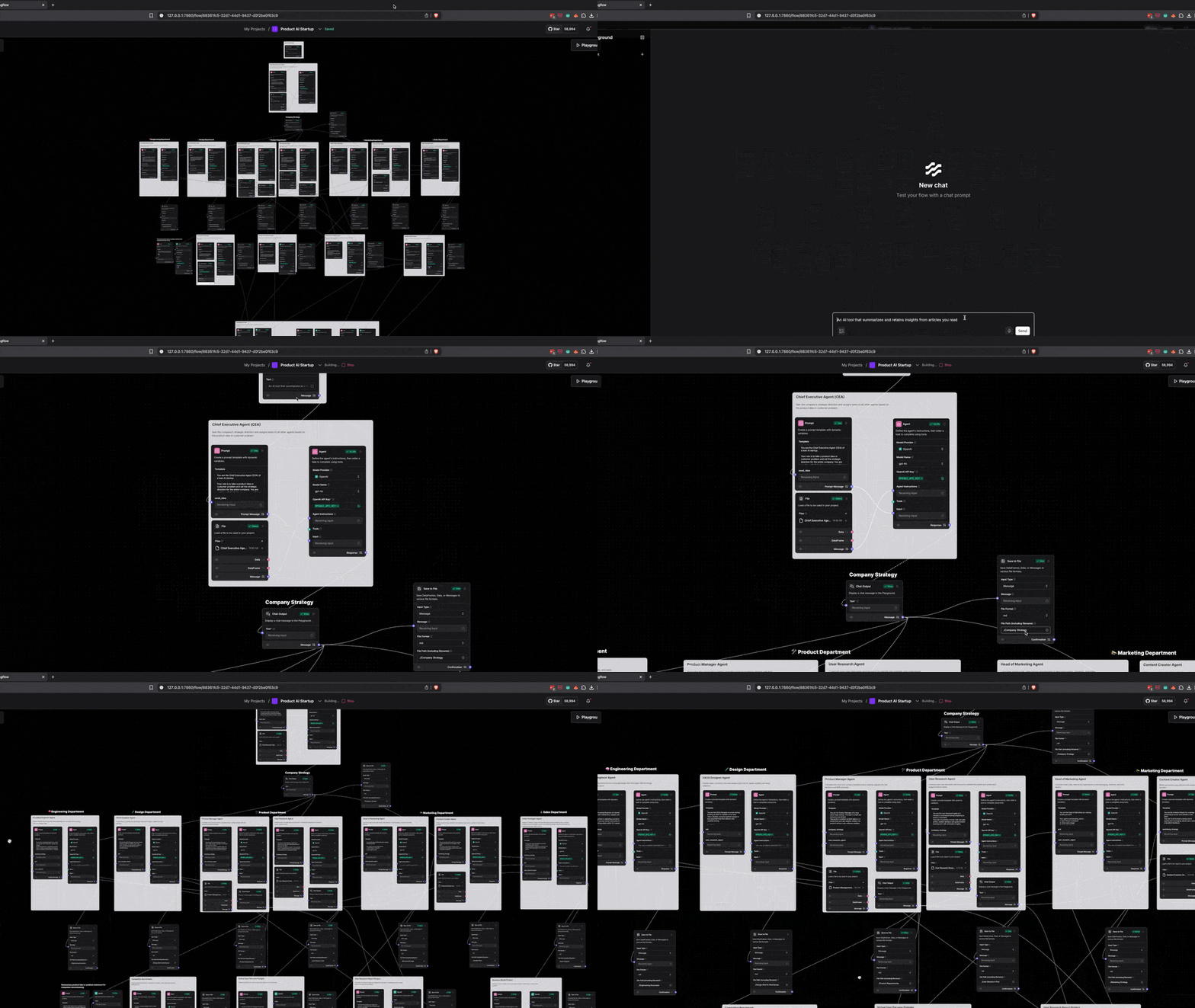
AI AgentsInput your product idea—Founder Flow takes it from there. A full-stack autonomous startup builder.
- Problem
- Founders lose time on repetitive pre-launch work before validating whether an idea deserves investment.
- My role
- Creator of an open-source AI agent system for startup asset generation.
- Executive skill
- AI-native workflow design, product experimentation, and practical agent orchestration.
- Outcome
- Demonstrated how AI workflows can compress idea-to-prototype cycles while preserving structured product thinking.